
Agriculture cybersecurity
Agriculture Cybersecurity
Expertise for Your Team
Protect the digital systems your farming season depends on. Strengthen farm-data protection, connected-equipment access, and agricultural software security, with practical improvements planned around planting, growing, harvest, and year-round animal care.
A modern farm may share information with equipment dealers, agronomists, contractors, cooperatives, and software providers.
Irrigation settings, field boundaries, yield records, and commercial information can move through several systems before a decision is made.
Nestack helps your farm, IT, and technology teams understand these connections, prioritise security improvements, and verify agreed changes. Start with a defined site, account, or workflow and plan work around operational conditions.
Three ways to work with Nestack
- 01
Scoped assessment
Review selected farm systems, partner access, data sharing, or an agricultural application and receive actionable findings.
- 02
Dedicated security engineer
Add capacity with an agreed skill profile, work backlog, hours, and reporting relationship.
- 03
Ongoing improvement
Coordinate approved fixes, seasonal access reviews, retesting, recovery exercises, and supplier follow-up.
Farm operators retain control of equipment and agricultural decisions. Technical changes follow agreed approvals and vendor constraints.
02Who we help
Support for different agricultural operating models
For farms, agricultural cooperatives, agribusinesses, and agtech teams worldwide.
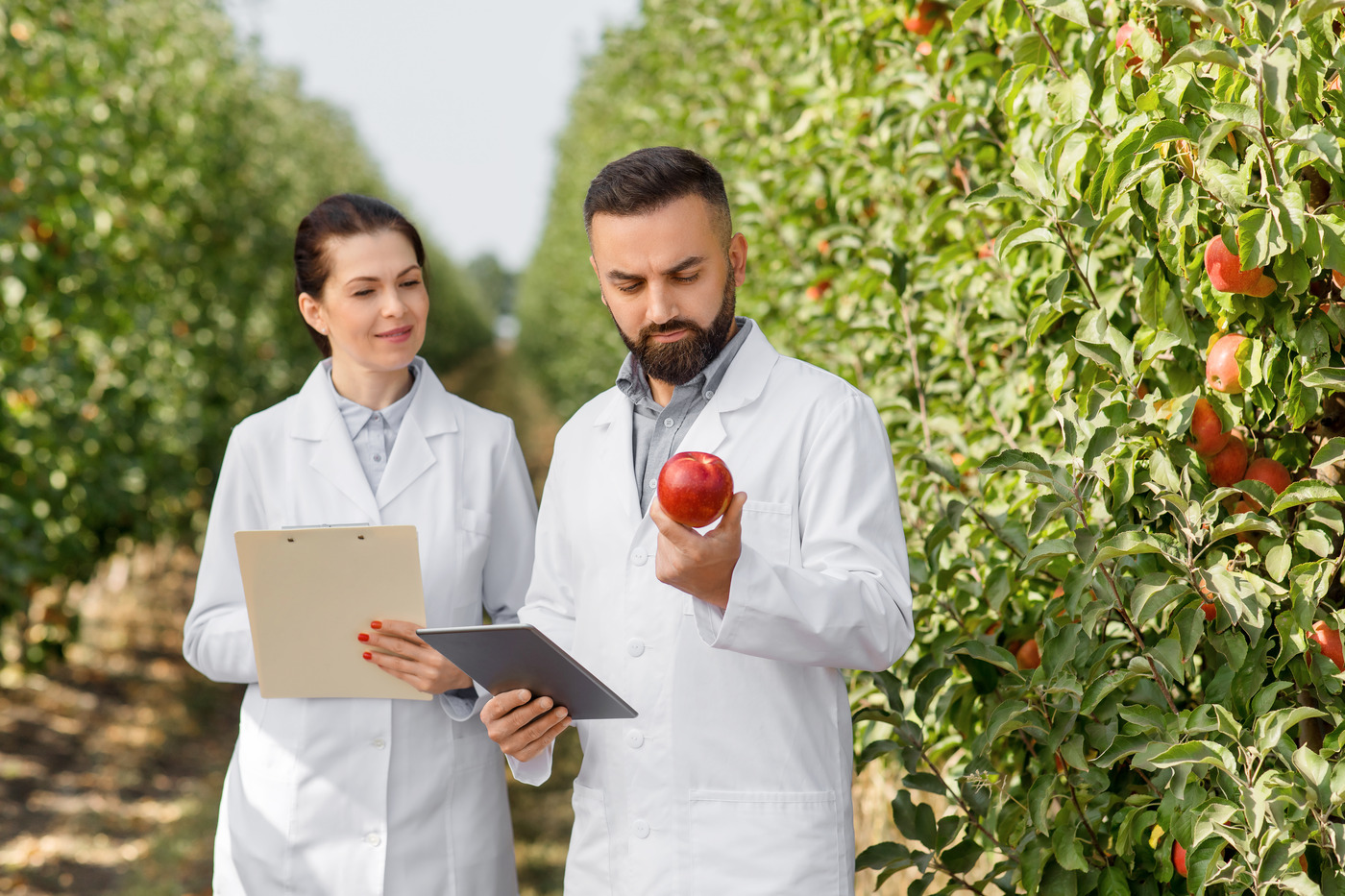
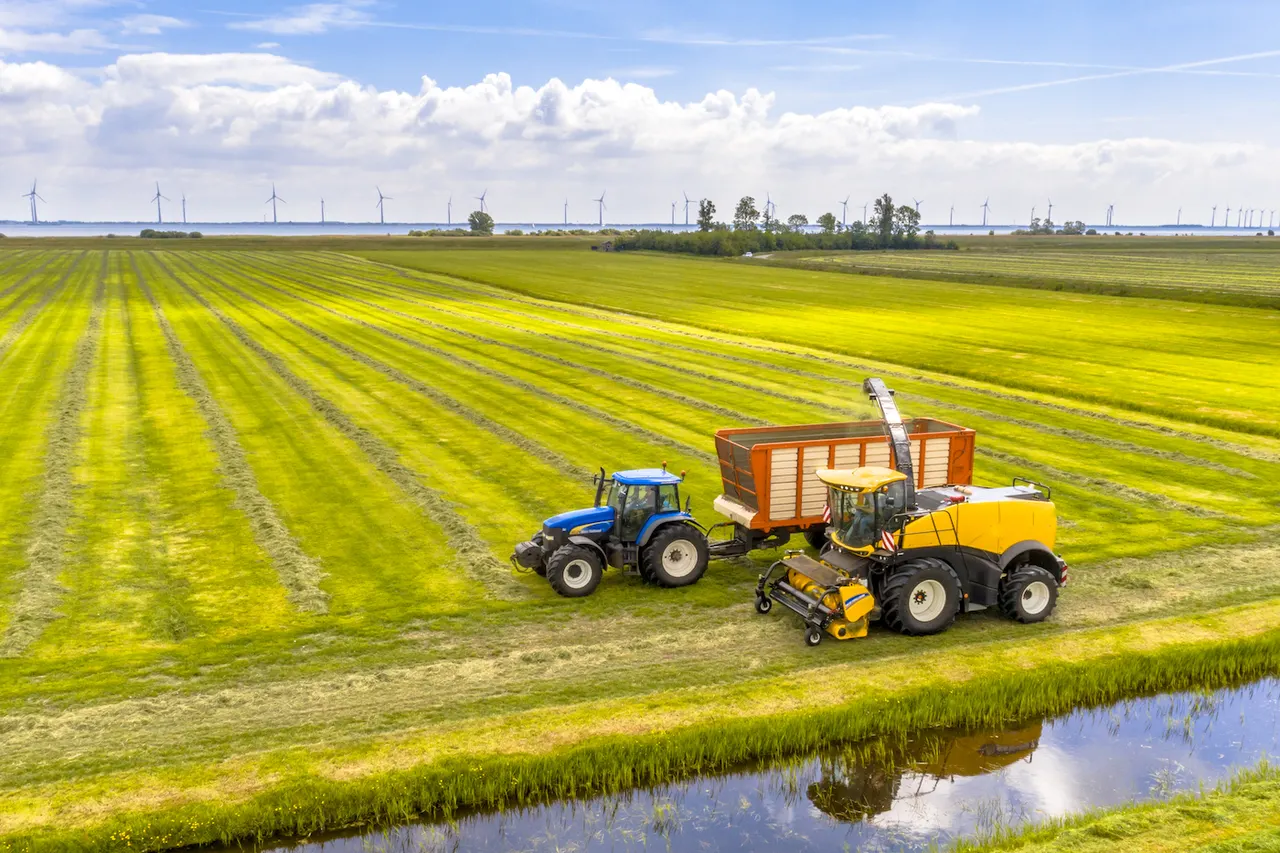
Review connected machinery, irrigation, greenhouse controls, field devices, and farm-office dependencies.
Strengthen access to monitoring, feeding-support, environmental-control, and business systems without replacing animal-care expertise.
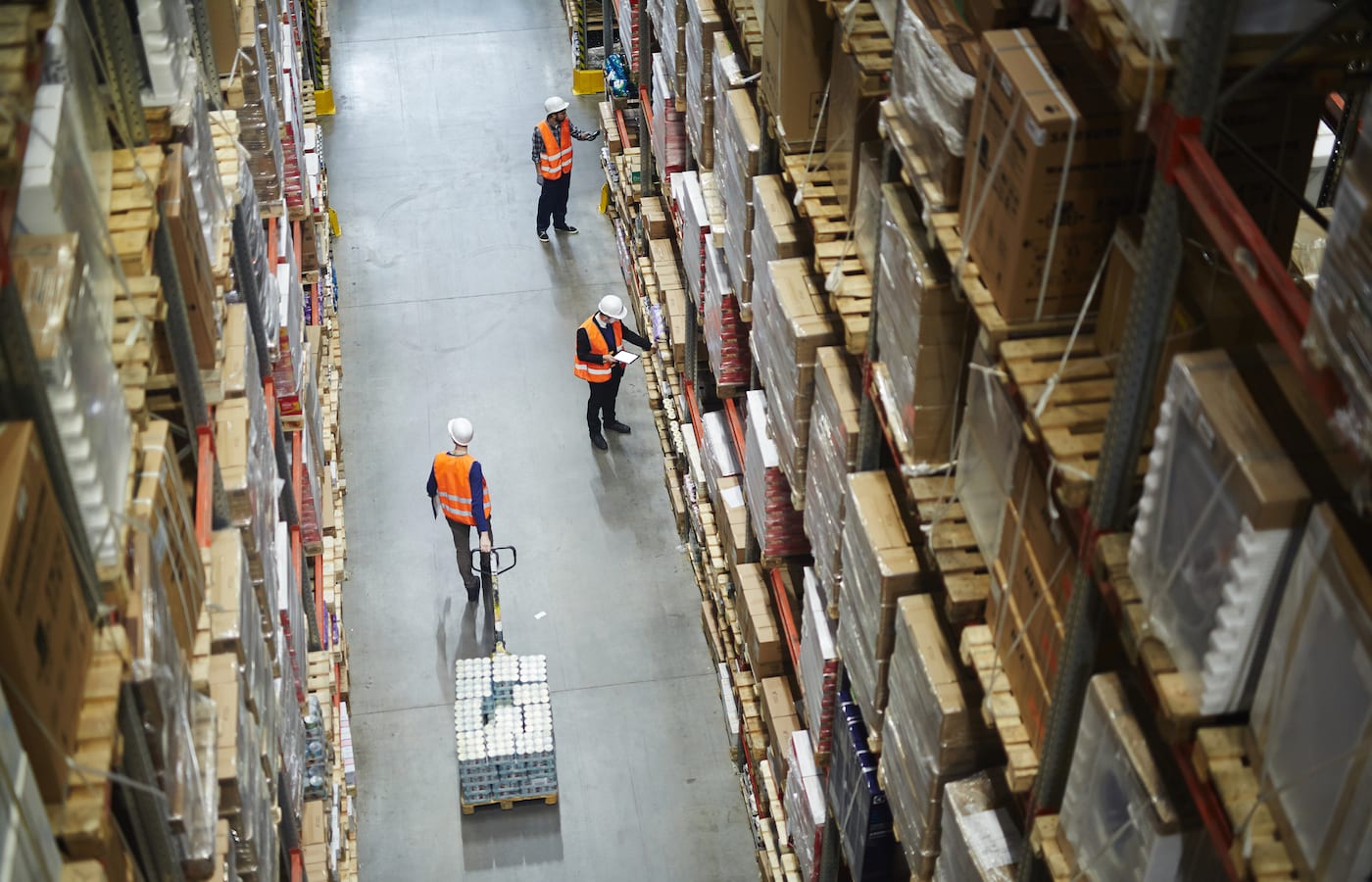
Protect member information, agricultural service portals, ordering, dispatch, and seasonal operational records.

Assess grower separation, APIs, cloud services, device integrations, and agricultural AI workflows.

Work alongside your farm and IT teams
We coordinate with your operators, IT owners, dealers and software providers, following the access routes, seasonal windows and approvals your responsible people set.
03Farm cybersecurity risk and seasonal dependency assessment
Identify the digital dependencies that need attention before peak work
An unavailable account or missing configuration can matter differently during planting and outside the growing season.
We map selected systems to the work they support and build a prioritised improvement plan with the people who operate them.
What we cover
- 01
Operational dependencies
Farm-management tools, machinery accounts, irrigation applications, communications and responsible owners.
- 02
Seasonal priorities
Time-sensitive planting, treatment, harvest, dispatch and animal-care activities, mapped to the systems they need.
- 03
Connection paths
Agreed office, field, wireless, mobile, cloud and supplier links.
- 04
Equipment ownership
Leased machines, contractor devices, shared workstations and responsibility for maintenance.
- 05
Existing safeguards
Approved configurations, access arrangements, unsupported software and recovery gaps.
- 06
Practical priorities
Actions assigned by exposure, operational effect, available support and safe implementation windows.
04Dealer, contractor, and seasonal-worker access security
Keep access aligned with the work people are doing
Dealers and contractors may need equipment or data access for a particular job. We review direct users, partner relationships and connected software so permissions can be approved, limited and removed without losing essential farm support.
05Irrigation, connected equipment, and field-network security
Reduce unnecessary paths into systems that affect farm operations
06Farm-data sharing, ownership evidence, and portability
Make data access match your approved agreements
Field records, soil results, machinery information and commercial data can serve several partners. We help identify where selected information goes and whether technical permissions match the uses your business has approved.
- 01Data categoriesSelected field boundaries, prescriptions, yields, livestock records, machinery telemetry and business information.
- 02Sharing routesUploads, partner accounts, APIs, shared reports and onward transfers visible within the agreed scope.
- 03Permission evidenceConfigured access compared with approved recipients, purposes and contract-owner instructions.
- 04Farm separationAccess between growers, cooperative members, advisers and shared service workspaces.
- 05PortabilityAvailable exports, usable formats and retrieval dependencies, tested with agreed sample datasets.
- 06Retention and closureApproved deletion, retention and service-exit decisions translated into owned technical actions.
07Agtech applications, cloud platforms, and API security
Protect grower boundaries and connected agricultural workflows
Farm-management platforms often combine grower records, device feeds, prescription files and service requests. We assess selected applications and application programming interfaces (APIs), concentrating on permitted actions and separation between customers.
08Agribusiness systems and agricultural supplier assurance
Strengthen the business workflows supporting farm services
Cooperatives and agricultural service businesses depend on member portals, ordering, scheduling, and trusted supplier information.
We review selected workflows and dependencies so security improvements support practical service delivery and accountable commercial decisions.
What we cover
09Seasonal incident readiness and farm-system recovery
Prepare to restore essential work when time matters
10 · Agricultural AI and automated-workflow security
Keep assistants within their intended information and action boundaries
AI tools may summarise crop records, draft farm reports, or interact with connected systems.
We assess selected tools against their intended role, separating access to information from authority to make changes.
What we cover
Across the agricultural lifecycle
Security priorities across the agricultural lifecycle
Plan checks around the work happening on the farm. Each stage links to the service on this page that addresses it.
References reviewed October 2026Priorities for assessment, not legal advice. Farm-data principles are voluntary guidance, and ownership, licences, privacy duties and applicable law are confirmed with your advisers.
11Hire a dedicated agriculture cybersecurity engineer
Hire a Dedicated Cybersecurity Engineer
Give your agricultural security backlog consistent attention. Agree an engineer profile suited to your software, business systems or connected-equipment workstream, then define the workflow, skills, hours, remote access, local support and specialist escalation before work starts.
01What the engineer can own
- The agreed risk and remediation backlog
- Reviews of selected access, applications, configurations and evidence
- Approved fixes and retests
- Seasonal reviews and recovery exercises
02How they work with your teams
- Operators, IT, developers and equipment suppliers
- Named accounts and customer-approved access routes
- Seasonal windows and equipment change procedures
- Agronomic, veterinary, financial and safety decisions escalated
03How you see progress
- Prioritised actions with owners and dependencies
- Evidence of completed changes and retests
- Clear reporting on exceptions and unresolved exposure
- Priorities updated as seasons, equipment and partners change
One engineer does not replace onsite operators, equipment specialists, or 24/7 response. Confirm availability and coverage in the engagement.

12Frequently asked questions
Frequently asked questions
Showing 19 of 19 questions
The proposed services cover farms, growing businesses, livestock operations, cooperatives, agribusinesses, and agtech teams. Confirm systems, technical capability, and delivery scope first.
Yes. Begin with important accounts, dealer access, backups, or one connected workflow. Scope should reflect actual dependencies and available support.
Discuss the required skills, responsibilities, schedule, and reporting line. Confirm availability and specialist support; software security and equipment engineering are different roles.
Many reviews can use approved remote evidence and test environments. Agree permitted systems, access locations, confidentiality, and contractual requirements. Local staff remain essential for physical work.
Only under explicitly authorised scope with equipment-owner approval and suitable expertise. Ordinary reviews do not authorise live commands, rate changes, or operational control.
Yes, where responsibilities and permissions are agreed. The customer controls access and changes; dealers and agronomists retain their respective equipment and agricultural roles.
Review user accounts, partner relationships, remote-support routes, shared files, and separate software connections. Verify removal while preserving required ownership and support continuity.
We can assess access, sharing, exports, retention, and grower separation. Use sample data where possible and agree handling rules before reviewing real farm records.
Do not assume that. Ownership, licences, access rights, and permitted uses depend on applicable law and agreements. Technical reviews support agreed decisions; they do not settle legal rights.
We can test available export and retrieval controls within scope. Format compatibility, vendor restrictions, licence terms, and destination support may limit a complete migration.
Security work can document dependencies and approved fallback arrangements. It does not repair network coverage or guarantee global navigation satellite system (GNSS) reception. Equipment and communications specialists may be needed.
Assess supported access controls, network boundaries, vendor constraints, and recovery options. Some devices cannot accept modern agents or updates; changes require compatibility review.
An authorised assessment can cover grower isolation, APIs, credentials, cloud configuration, and selected business actions. Prefer synthetic records and isolated environments.
No. Security findings concern access, integrity, and availability. Agronomic correctness, chemical use, animal welfare, equipment safety, and operational approval require qualified owners.
Yes, within agreed capability and scope. Review information access, connector authority, untrusted inputs, approvals, and action records. Connected physical operations require additional assessment.
Plan reviews and changes around operational windows and vendor availability. Begin with non-disruptive evidence review; live tests need explicit scope and stop conditions.
Not automatically. Agree monitoring hours, responders, escalation, and local support separately. A dedicated engineer does not imply continuous coverage.
Sites, equipment, platforms, access, testing depth, and supplier coordination determine scope. Agree milestones and outputs such as findings, access registers, retests, and recovery reports.
Describe your operation, broad systems, main concern, and preferred engagement. Do not attach credentials, field coordinates, commercially sensitive datasets, configurations, or incident evidence.
Contact and scoping call
Discuss your agricultural
security priorities.
Tell us where you need support: farm accounts, dealer access, connected equipment, farm data, agtech applications, agricultural business systems, seasonal recovery, AI, or a dedicated engineer.
Loading open times…
Open times
Select an available date above to view open 45-minute times from our calendar.