
Telecom cybersecurity
Telecom Cybersecurity
Expertise for Your Team
Protect subscriber data, customer and dealer channels, management planes, and communications platforms. Keep SIM changes, number ports, and privileged access aligned with the people who should have them, and prepare billing, provisioning, and customer care for disruption with practical security engineering and clear accountability.
A telecom provider connects more than calls and data.
Subscriber identities and documents, call and location records, billing, SIM and number changes, dealer and care channels, customer routers, management access to every network element, and interconnect relationships with other carriers all depend on different platforms, partners, and people. The one-time codes that protect other industries' customers travel across your network, and a weakness in a care process or a management plane can affect every subscriber at once.
Nestack helps your team understand the exposures within those systems and turn findings into manageable improvements. Start with one customer channel, access process, platform, device estate, or recovery concern, or discuss a dedicated engineer who works alongside your existing IT, network, fraud, and compliance teams.
Three ways to work with Nestack
- 01
Scoped security assessment
Examine a defined portal, business system, access model, device estate, or recovery scenario and receive prioritised findings, evidence, and recommended next steps.
- 02
Dedicated security engineer
Add engineering capacity with an agreed skill profile, working schedule, reporting line, and backlog.
- 03
Ongoing security improvement
Coordinate approved changes, access reviews, retesting, exercises, and updates to the security evidence regulators and enterprise customers ask for.
Technical security supports your regulatory, fraud-management, and network-operations processes. Your network, fraud, legal, and compliance leaders retain those decisions, and live network functions remain under your change control.
02Who we help
Security support for different telecom businesses
Scope reflects your network, platforms, channels, operating model, and responsibilities. A national mobile operator, a regional fibre ISP, a programmable messaging platform, and an equipment vendor need different controls and delivery arrangements.
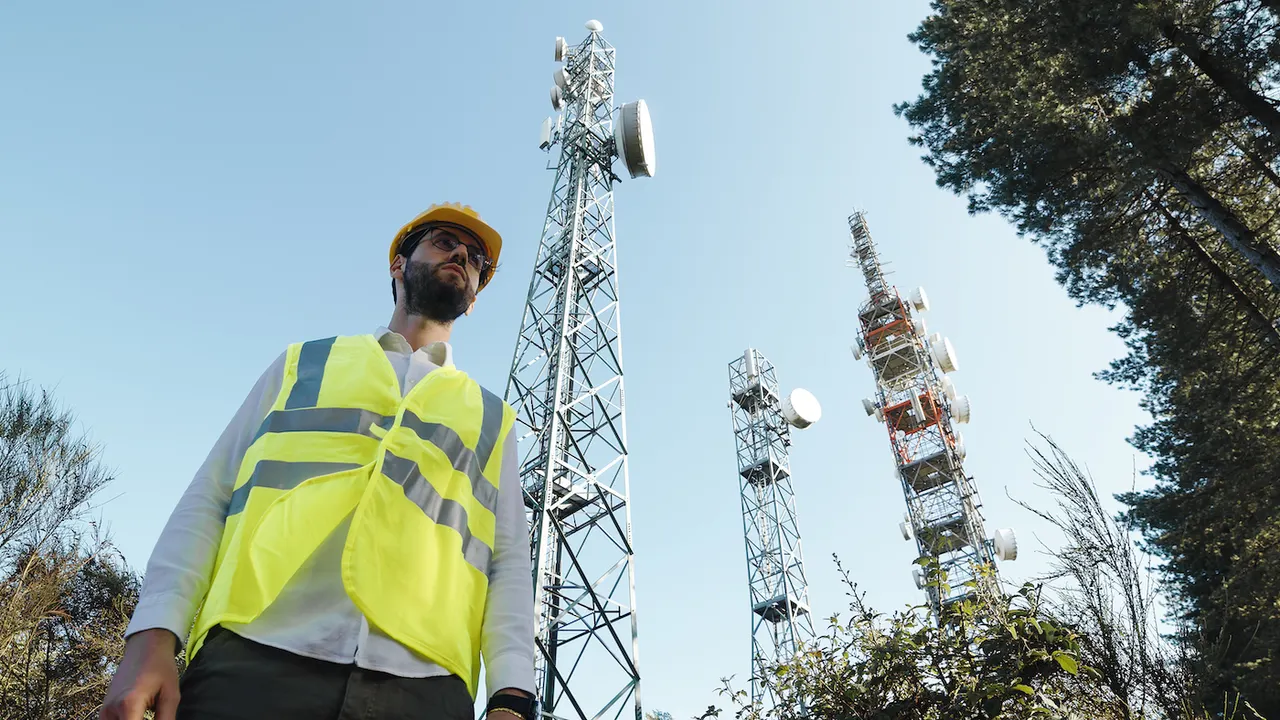
Protect subscriber and SIM data, customer and dealer channels that can swap a SIM or port a number, self-service apps, business support systems, and the exposure created by roaming, interconnect, and network exposure APIs.

Review customer router and modem fleets and their remote management, resolver and edge exposure, provisioning and field-service systems, and the boundaries between customer, management, and corporate networks.

Strengthen tenant and account separation, trunk and account credentials, verification and messaging endpoints against pumping and toll fraud, sender and caller identity controls, and the webhooks your customers trust.

Assess the privileged access you hold into operator networks, remote support tooling, build and update channels, element-management products, and the evidence operators and regulators expect from vendors.

Connect security with the right decision owners
Agree who owns each decision at the start: network changes, fraud policy, lawful-intercept matters, and regulatory reporting remain with your authorised teams.
03Telecom security risk assessment
Connect security priorities to the subscribers, channels, and systems you must protect
An assessment should explain how a weakness could affect subscriber data, a customer's number or SIM, management access, or essential operations.
We review selected systems, dependencies, and workflows to create an actionable improvement plan with your team.
What we cover
- 01
Systems and ownership
Business and operations support systems (BSS and OSS), customer and dealer channels, provisioning, device-management and platform systems.
- 02
Information flows
How identity documents, call and location records, billing data, credentials, one-time passcodes and configuration move and are kept.
- 03
Change-of-control paths
How SIM changes, number ports, account changes and credential resets are requested, authenticated, approved and recorded in each channel.
- 04
Access and exposure
Privileged accounts, management-plane reachability, vendor and dealer access, unsupported equipment and security configurations.
- 05
Service priorities
The systems and people needed for billing, provisioning, customer care, messaging and verification, and enterprise support.
- 06
Improvement planning
Findings ranked by likely impact and exposure, with owners and a practical remediation sequence within network change control.
01Dealer portal allows SIM change after knowledge-based questions alone
Possible consequence:Subscriber's SIM swapped by an impersonator
Proposed action:Require stronger authentication and notify the active SIM
Completion evidence:Procedure, configuration, and test-case records
Owner to agree:Fraud + retail + IT
02Router management reachable from the corporate network
Possible consequence:One compromised laptop reaches every network element
Proposed action:Move administration to an out-of-band path
Completion evidence:Reachability test and access logs
Owner to agree:Network engineering
03Deprecated account API returns full identity records
Possible consequence:Bulk disclosure of subscriber documents
Proposed action:Retire the endpoint and enforce object-level authorisation
Completion evidence:Retest and inventory update
Owner to agree:API platform owner
04Verification endpoint has no per-destination rate limit
Possible consequence:Messaging costs inflated by automated abuse
Proposed action:Add rate limits, geographic controls, and alerting
Completion evidence:Traffic test and alert evidence
Owner to agree:Platform + fraud
05Care assistant can apply credits and reset credentials unaided
Possible consequence:Injected chat text triggers account takeover
Proposed action:Human approval for consequential actions
Completion evidence:Policy test cases and logs
Owner to agree:AI owner + security
These are fictional examples showing how findings could be presented, not incidents or results from Nestack customers.
04Customer portal, BSS, and API security
Check that subscriber records and actions stay within their intended boundaries
Self-service portals and apps, dealer systems, business support systems, partner APIs, network exposure APIs and communications-platform APIs connect subscribers, staff, dealers, developers and other carriers. We test selected controls and integrations for places users, partners or connected systems could reach information or functions outside their authorised role.
05Identity, dealer, and privileged-access security
Keep access aligned with each person's role, channel, and responsibility
Care agents, retail staff, franchise dealers, field engineers, network administrators, vendors with remote support access and managed-service partners can all change a subscriber's service or a network element. We help your team manage these changes and reduce standing access without slowing down customer service or operations.
06Cloud, management-plane, and customer-equipment security
Strengthen the environments behind operations and the devices in customers' homes
07Email, impersonation, and fraud-process controls
Make trusted communication and account changes harder to misuse
Requests to swap a SIM, port a number or change account details, supplier and interconnect settlement invoices, payroll changes, and messages that appear to come from your brand all create opportunities for impersonation. We help strengthen technical protections and the verification used for sensitive requests, and review how your own numbers and sender identities can be abused.
Domain authentication does not stop all lookalike domains, telephone impersonation, or misuse of a genuinely compromised account, so independent verification matters as much as email configuration.
What we cover
08Ransomware readiness and service continuity
Prepare to restore the services your subscribers and partners need first
09Subscriber data, sensitive-system boundaries, and supplier assurance
Understand who can access sensitive information and why
Telecom records can include identity documents, call and location records, browsing metadata, billing data, credentials and one-time codes, network configuration and law-enforcement request data. We examine the controls around them and the vendors, dealers and partners that handle them, while keeping the most sensitive systems outside routine scope.
- 01Information inventoryData categories, locations, owners, sharing paths and processors across business systems, channels, analytics and partners.
- 02Sensitive-record accessPermissions around identity documents, call and location records, billing, credentials and configuration; lawful intercept excluded.
- 03Retention and exitApproved retention, deletion, exports and contract exit, including copies held by dealers, agencies and former platforms.
- 04Vendor and partner evidenceSecurity documentation, sub-processors, incident contacts and access for equipment vendors, providers, aggregators and dealers.
- 05Trusted-supplier regimesThe technical evidence national high-risk-vendor and trusted-source requirements, where they apply, expect you to hold.
- 06Assurance supportAn evidence register and technical input to privacy reviews, regulator and enterprise-customer questionnaires and remediation.
10 · AI customer-care, network copilot, and automation security
Keep telecom AI within its approved access and actions
AI tools may answer billing questions, resolve disputes, recommend plans, summarise tickets, detect fraud, draft network configuration, or act on accounts and devices. We assess selected workflows to identify unnecessary data exposure and actions that should require an authorised person or a deterministic policy check.
Technical testing does not establish that fraud models are accurate, that recommendations are fair, or that generated network configuration is correct.
What we cover
Across the operator lifecycle
Security priorities across the operator lifecycle
Build checks into the moments when access and risk change. Each stage links to the service on this page that addresses it.
References reviewed October 2026Priorities for assessment, not legal advice. Telecom security, fraud, and privacy rules differ by country and change over time; the UK, EU, Australian, Indian, and US references apply only to providers within their scope, and whether any rule applies to you is confirmed with your advisers.
11Hire a dedicated security engineer
Hire a Dedicated Cybersecurity Engineer
Give agreed security work a named owner who investigates selected exposures, coordinates remediation, maintains evidence and keeps your team informed. Define the role around your platforms, channels, device estates and priorities, with specialist support where required.
01What the engineer can own
- An agreed risk and remediation backlog
- Access and configuration reviews
- Hardening, retests and questionnaire evidence
- Verification and recovery exercises
02How they work with you
- IT, network, fraud, care and API teams
- Named least-privilege accounts only
- Your change windows and freeze periods
- Defined coverage hours and handover
03How you see progress
- A prioritised plan with accountable owners
- Status on completed work and open exposure
- Evidence of changes and verification
- Priorities reviewed as obligations change
A dedicated engineer does not replace your leadership, network operations centre, fraud team, regulatory affairs function, equipment vendors or a fully staffed security operations centre, and never works on live network functions outside your change control. Incident response and monitoring need separate coverage.

12Frequently asked questions
Frequently asked questions
Showing 19 of 19 questions
The proposed service covers mobile operators and MVNOs, fixed, fibre, and cable ISPs, unified communications, VoIP, and CPaaS providers, and telecom software, equipment, and infrastructure companies. The scope and engineering profile depend on the environment and the work required.
Yes. A defined portal, dealer-access, SIM-change process, management-plane, device-fleet, recovery, or AI review provides a practical starting point. Agree systems, responsibilities, permissions, and deliverables before work begins.
Discuss a role with an agreed skill profile, working schedule, delivery location, reporting line, and backlog. Confirm availability and specialist escalation during scoping rather than assuming every security function sits with one person.
The service can complement internal IT and network teams, equipment vendors, business-system providers, and managed operations partners. Establish who administers systems, approves changes, handles alerts, restores services, and contacts vendors so responsibilities are clear.
No. These systems are reviewed through configuration evidence, lab or staging environments, and vendor-supported test rigs under your change control. Unsolicited scanning or traffic injection against live network functions, interconnects, or emergency-call paths is never part of our work.
We first confirm the product, hosting model, licences, available controls, and provider permissions. Your configuration, custom code, integrations, and dealer systems, and a vendor's underlying shared platform, are different scopes. MVNO and aggregator clients also need their host operator's consent for shared systems.
We can assess and test how customers are authenticated across care, retail, dealer, and self-service channels, how changes are notified and recorded, and how dealer access is scoped, then help document and exercise the process. Fraud policy and acceptable customer friction remain your decisions, and no control eliminates fraud.
No. We use synthetic subscribers, test numbers, staging systems, and communications-platform test credentials, with agreed windows and stop conditions. Real subscribers' services, billable traffic, and live network functions are excluded from ordinary testing.
Selected management platforms, firmware lifecycles, end-of-life devices, default credentials, and the authorisation model for bulk operations can be reviewed, with device testing on lab units and read-only access to production management where agreed.
Not automatically. Define alert coverage, response expectations, out-of-hours support, and specialist incident-response arrangements in the engagement scope. We do not operate networks or network operations centres.
Many activities can begin with configuration evidence, synthetic test records, and limited or redacted exports. Production access should be justified, approved, and restricted to what the agreed task requires. Call and location records and lawful-intercept material should never reach the assessment team.
Agree named personnel, authorised access locations, customer environments, permissions, logging, and data-handling rules with your team. Keeping data in your cloud does not alone resolve cross-border access requirements, and some national rules restrict offshore access to network management or subscriber data. On-shore delivery for Indian operators and local arrangements elsewhere can be scoped.
No such certification is part of this offer, and some regimes have no certification route at all. We support scoped technical controls and the evidence regulators and auditors examine; your regulatory and legal advisers determine which obligations apply and how compliance is demonstrated.
As of late 2025 the proposed US certification regime for carriers was withdrawn in favour of voluntary commitments, while breach-reporting and SIM-swap rules remain in force and are subject to ongoing litigation. We help with the technical evidence; your counsel tracks the legal position.
Security controls can enforce authentication, restrict presented numbers and sender names, and support traceback, but fraud thresholds, attestation policy, and regulatory filings remain with your fraud, legal, and regulatory teams.
An agreed technical review can examine connected data, permissions, retrieval boundaries, untrusted instructions, and the actions available to assistants and agents. Model accuracy, recommendation fairness, and the correctness of generated configuration require separate evaluation within your change control.
Agreed outputs may include prioritised findings, owner-assigned actions, change records, retest results, exercise reports, and concise progress summaries suitable for regulator and customer questionnaires. Define both the technical evidence and management reporting at the start.
They depend on the systems, channels, permissions, testing depth, coverage, delivery location, and specialist needs. Agree milestones after scoping and account for change freezes, vendor response times, and access dependencies.
Share your organisation type, approximate platforms and channels, principal concern, and preferred engagement. Do not send subscriber records, call records, network diagrams, credentials, lawful-intercept information, or live incident evidence through the public enquiry form.
Contact and scoping call
Discuss your telecom
security priorities.
Tell us where you need support: protecting subscriber data, reviewing a portal or business system, controlling dealer and privileged access, hardening management planes and device fleets, preparing for disruption, assessing AI, or adding a dedicated security engineer.
Loading open times…
Open times
Select an available date above to view open 45-minute times from our calendar.