
Consumer products manufacturing cybersecurity
Consumer Products Manufacturing Cybersecurity
Expertise for Your Team
Protect the formulations, batch and traceability records, production lines, and partner connections behind the products you make. Keep plant, contractor, and co-manufacturer access aligned with the people who should have it, and prepare production, quality release, and shipping for disruption with practical security engineering and clear accountability.
A consumer products plant connects more than machines.
Formulation and specification systems, production scheduling and batch records, filling, packaging, labelling, and coding lines, laboratory and quality-release systems, product-safety certificates and registration portals, retailer and co-manufacturer integrations, and supplier invoicing may depend on different platforms, partners, and people. Every hand-off between a recipe, a line, a label, and a lot record is a decision about who may see and change it, and a mistake can reach every unit in a batch.
Nestack helps your team understand the exposures within those connections and turn findings into manageable improvements. Start with one plant, line, system, partner relationship, or recovery concern, or discuss a dedicated engineer who works alongside your existing IT, engineering, quality, and operations teams.
Three ways to work with Nestack
- 01
Scoped security assessment
Examine a defined plant, system, line boundary, partner integration, or workflow and receive prioritised findings, evidence, and recommended next steps.
- 02
Dedicated security engineer
Add engineering capacity with an agreed skill profile, working schedule, reporting line, and backlog.
- 03
Ongoing security improvement
Coordinate approved changes, access reviews, retesting, exercises, and updates to the security evidence customers, retailers, insurers, and auditors ask for.
Technical security supports your quality, product-safety, and regulatory processes. Your quality, regulatory, engineering, and operations leaders retain those decisions, and production equipment remains under your change and safety control.
02Who we help
Security support for different consumer products manufacturers
Scope reflects your products, plants, systems, customers, and responsibilities. A cosmetics plant, a co-packer with twenty private-label customers, a toy maker with a peak season, and a small-appliance manufacturer need different controls and delivery arrangements.
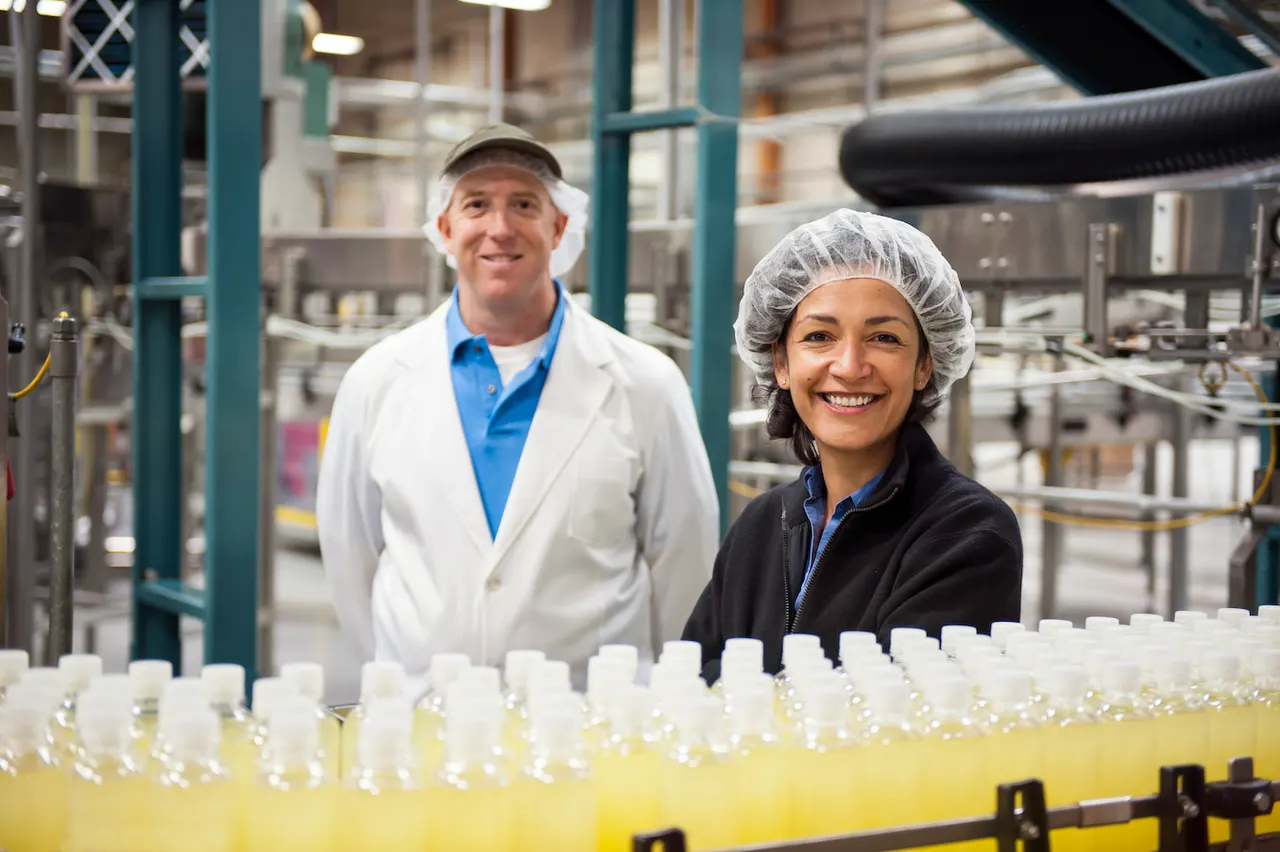
Protect formulations and specifications, batch and lot records, enterprise and production systems, retailer commitments, and the evidence behind every product-safety claim on the label.

Keep each customer's specifications, artwork, forecasts, and pricing separate on shared systems and shared lines, and give customers the security evidence their audits and questionnaires expect.
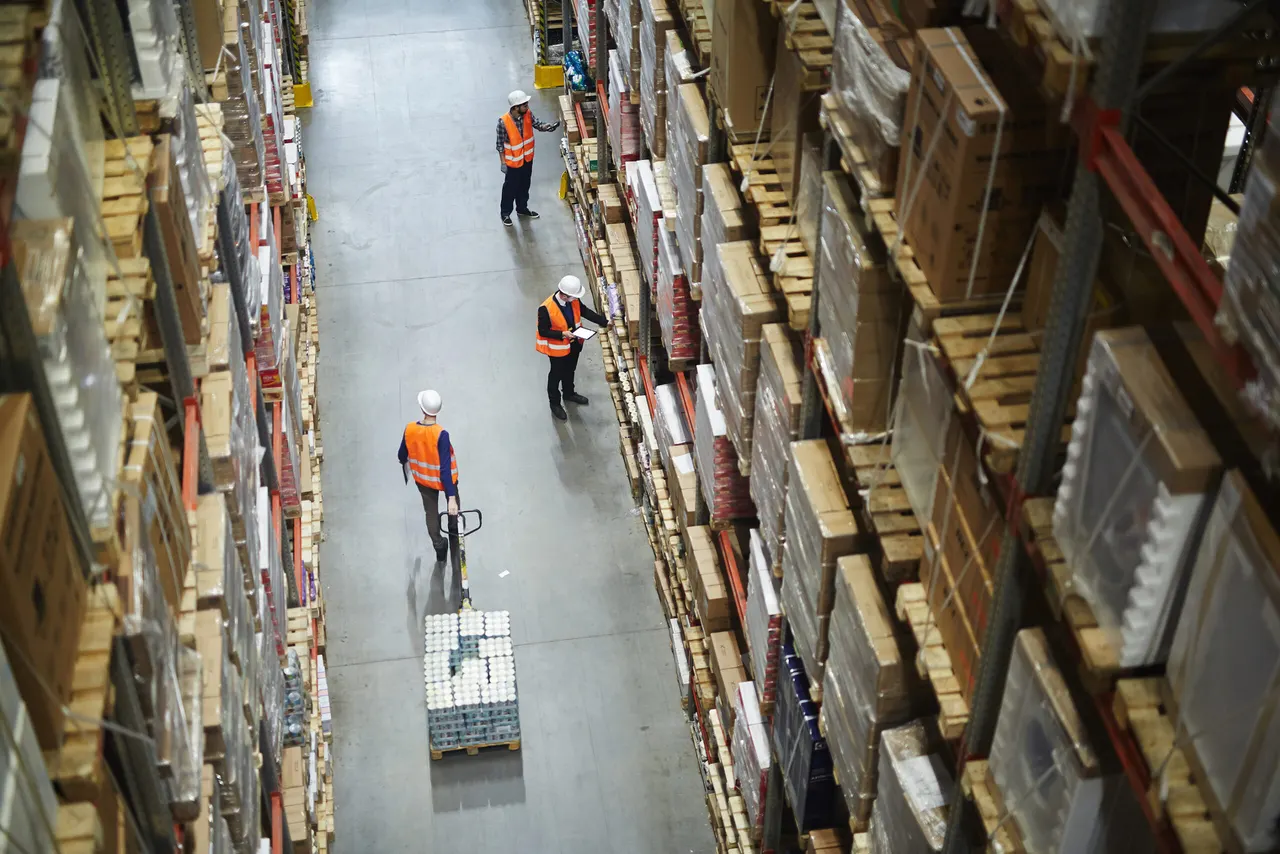
Toys and juvenile products, furniture, sporting goods, candles, pet products, and household items with product-safety certificates, third-party test records, seasonal peaks, and retailer compliance portals to protect.
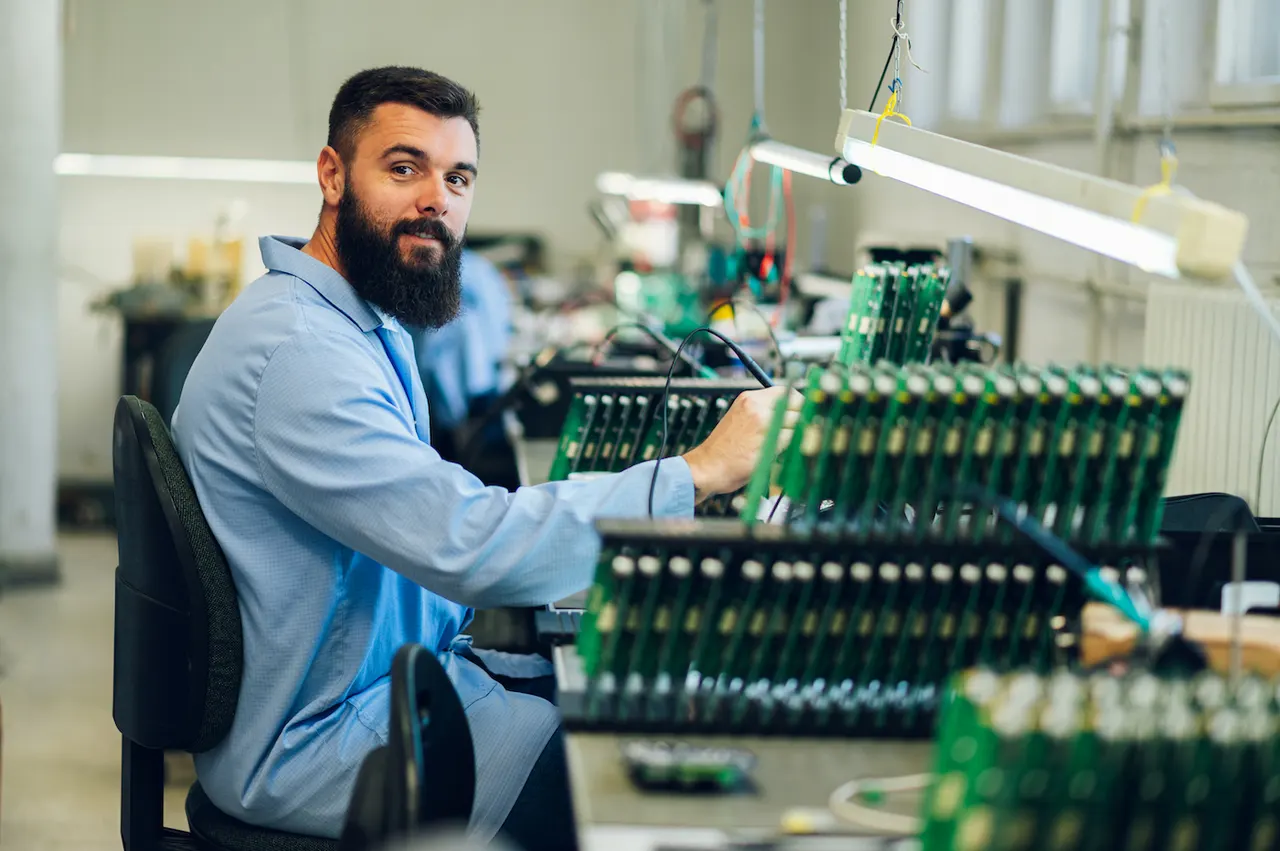
Assess firmware signing and update pipelines, companion-service accounts, device identity, and the vulnerability-handling and reporting duties that now follow connected consumer products in several markets.

Connect security with the right decision owners
Agree who owns each decision at the start: batch release, product safety, recall, supplier selection, and regulatory submissions remain with your authorised teams.
03Plant and production security risk assessment
Connect security priorities to the batches, lines, and records you must protect
An assessment should explain how a weakness could affect a formulation, a batch, a label, a shipment, a customer relationship, or essential production.
We review selected systems, dependencies, and workflows to create an actionable improvement plan with your team.
What we cover
- 01
Systems and ownership
Agreed ERP, MES, product lifecycle, laboratory, labelling, serialisation, warehouse and collaboration platforms and their critical dependencies.
- 02
Information flows
How formulations, specifications, bills of materials, artwork, batch and test records, customer forecasts and supplier and invoice data are created, shared, exported and retained.
- 03
Production dependencies
Which systems, connections and people are needed to schedule, make, code, inspect, release and ship product, including shared lines serving several customers.
- 04
Access and exposure
Selected privileged accounts, vendor and integrator remote access, engineering workstations, internet-exposed plant or office systems and security configurations.
- 05
Regulated-record priorities
The certificates, registrations, listings, adverse-event, complaint and traceability records whose integrity and availability your obligations depend on.
- 06
Improvement planning
Findings ranked by likely impact and exposure, with owners and a practical remediation sequence around production schedules, changeovers and peak seasons.
01Formulation folder shared with an agency's whole mailbox domain
Possible consequence:Recipe and supplier list copied outside the business
Proposed action:Restrict to named people and expire external links
Completion evidence:Sharing report and retest
Owner to agree:R&D + IT
02Packaging-line controller web interface reachable from the office network
Possible consequence:Line stopped or settings changed from a compromised laptop
Proposed action:Segment the line network and restrict management access
Completion evidence:Reachability test and firewall rules
Owner to agree:Plant engineering + IT
03Label-printing system accepts artwork from an unverified supplier upload
Possible consequence:Wrong ingredient or warning text on a production run
Proposed action:Require approved artwork versions and a release check
Completion evidence:Approval workflow and log
Owner to agree:Quality + packaging
04Supplier bank-detail change accepted from an emailed invoice
Possible consequence:Ingredient payments diverted to a fraudster
Proposed action:Independent callback and dual approval for bank changes
Completion evidence:Procedure and verification records
Owner to agree:Finance + procurement
05Inspection-camera assistant retrains on unchecked line images
Possible consequence:Defective units accepted after model drift
Proposed action:Treat training data as controlled and require human review of changes
Completion evidence:Change log and sampling results
Owner to agree:Quality + AI owner
These are fictional examples showing how findings could be presented, not incidents or results from Nestack customers.
04ERP, MES, labelling, and quality-system security
Check that batches, labels, and release decisions stay within their intended boundaries
Enterprise, production, quality, labelling, and serialisation systems, customer and supplier portals, and retailer integrations connect planners, operators, laboratories, customers, and partners. We test selected application controls and integrations to identify where users, partners, or connected systems could reach information or functions outside their authorised role.
05Identity, shift-worker, contractor, and co-manufacturer access
Keep access aligned with each person's role, shift, and contract
Operators, line leads, laboratory analysts, planners, maintenance technicians, seasonal and agency staff, equipment vendors with remote access, private-label customers, and co-manufacturers all touch systems that make product and hold confidential information. We help your team manage these changes without slowing the line or the laboratory.
06Cloud, plant-floor, and OT boundary security
Strengthen the environments behind the office, the laboratory, and the line
07Email, supplier-invoice, and purchase-order fraud controls
Make trusted communication and payment changes harder to misuse
Ingredient and packaging invoices, purchase orders, supplier bank-detail changes, co-manufacturer schedules, artwork files, and messages that appear to come from customers, suppliers, or retailers create opportunities for impersonation and theft. We help strengthen technical protections and the verification processes used before money is sent or a change is accepted.
Domain authentication does not stop all lookalike domains, telephone impersonation, or misuse of a genuinely compromised account, so independent verification matters as much as email configuration.
What we cover
08Ransomware readiness and production continuity
Prepare to restore the systems your lines and customers need first
09Formulation, traceability, and supplier assurance
Understand who can access formulations and records and why
Plant records can include formulations and specifications, supplier and cost data, batch, lot, and test records, product-safety certificates and third-party test reports, registration and listing submissions, complaint and adverse-event files, customer forecasts and pricing, and employee data. We help your IT, quality, regulatory, research, and procurement teams examine the technical controls around this information and the suppliers, co-manufacturers, and customers that handle it.
- 01Information inventoryAgreed data categories, locations, owners, sharing paths and external processors across formulation, production, quality, regulatory and customer platforms.
- 02Confidential-record accessPermissions and sharing around formulations and bills of materials, artwork and specifications, supplier costs, customer forecasts and pricing, and complaint and adverse-event files.
- 03Traceability-record integrityHow batch, lot, ingredient and distribution records are protected, backed up and retained so a recall or safety enquiry can be answered from trustworthy data.
- 04Retention and exitHow approved retention schedules, deletion, exports, contract exit and exceptions are implemented, including copies held by agencies, former co-manufacturers and former platforms.
- 05Supplier, co-manufacturer, and customer evidenceAvailable security documentation, sub-processors, incident contacts, access and product dependencies for ERP, MES, quality, labelling, inspection, packaging and logistics suppliers.
- 06Assurance supportAn evidence register and technical input to customer and retailer questionnaires, insurer reviews and remediation plans.
10 · Connected-product firmware, inspection AI, and automation security
Keep connected products and plant automation within their approved access and actions
Connected appliances carry firmware, update pipelines, and companion services that the manufacturer must maintain long after shipment, and plants increasingly use AI for vision inspection, demand forecasting, complaint triage, and supplier documents. We assess selected products and workflows to identify unnecessary exposure and actions that should require an authorised person or a deterministic policy check.
Technical testing does not establish that an inspection model catches every defect, that a forecast is accurate, or that an appliance is electrically or functionally safe. Your quality, engineering, and product-safety teams and their test laboratories retain these assessments.
What we cover
Across the product and production lifecycle
Security priorities across the product and production lifecycle
Build checks into the moments when access and risk change. Each stage links to the service on this page that addresses it.
References reviewed October 2026Priorities for assessment, not legal advice. Cosmetics, product-safety, connected-product and cyber rules differ by product and market, and none of this certifies compliance with any of them; whether a rule applies to your plant or products is confirmed with your advisers.
11Hire a dedicated security engineer
Hire a Dedicated Cybersecurity Engineer
Give agreed security work a named owner who investigates selected exposures, coordinates remediation, maintains evidence and keeps your team informed. Define the role around your plants, systems, partners and priorities, with specialist support where required.
01What the engineer can own
- An agreed risk and remediation backlog
- Access and configuration reviews across plant systems
- Hardening, retests and questionnaire evidence
- Verification, awareness and recovery exercises
02How they work with you
- IT, plant engineering, quality, R&D, supply chain and finance
- Named accounts, never live production equipment
- Agreed change windows and production freezes
- Defined coverage hours and handover
03How you see progress
- A prioritised plan with accountable owners
- Status on completed work and open exposure
- Evidence of changes and verification
- Priorities reviewed as products and lines change
A dedicated engineer does not replace your leadership, quality and regulatory officers, plant engineers, equipment or software vendors, or a fully staffed security operations centre. Specialist incident response and continuous monitoring require separately agreed coverage.

12Frequently asked questions
Frequently asked questions
Showing 19 of 19 questions
The proposed service covers branded manufacturers running their own plants, contract, private-label, and co-packing manufacturers, specialty-product makers such as toy, furniture, candle, and pet-product businesses, and connected or electrical appliance manufacturers. The scope and engineering profile depend on the environment and the work required.
That page addresses brands, commerce, product information, and connected-product apps. This page addresses production: formulations, batch and traceability records, plant-floor boundaries, co-manufacturer relationships, product-safety records, and firmware from the manufacturer's side. Many businesses need both, and one engagement can cover both.
Yes. A defined plant, production or quality system, line boundary, co-manufacturer relationship, payment-change process, recovery, or connected-product review provides a practical starting point. Agree systems, responsibilities, permissions, and deliverables before work begins.
Discuss a role with an agreed skill profile, working schedule, reporting line, and backlog. Confirm availability and specialist escalation during scoping rather than assuming every security function sits with one person.
The service can complement internal IT, plant engineering, equipment vendors, and integrators. Establish who administers systems, approves changes, handles alerts, restores services, and contacts vendors so responsibilities are clear.
Not live ones. Controllers, human-machine interfaces, filling and packaging machines, coding printers, and inspection systems are reviewed through configuration evidence, bench or spare units, vendor documentation, and passive observation. Any active work needs the plant's written authorisation, rules of engagement, and engineering and safety sign-off.
Testing is planned to avoid that. We use test environments, synthetic products, batches, customers, and suppliers, agreed windows, and stop conditions. Live batches, labels, lot codes, orders, and production equipment are excluded from ordinary testing.
Yes, within an agreed scope. We review who can reach formulation, bill-of-materials, artwork, and specification systems, how they are shared with co-manufacturers and suppliers, how exports are logged, and what former partners still hold. Legal protection of trade secrets and contract terms remain with your advisers.
We can assess the separation between customers in your planning, production, quality, and portal systems, and the access your customers' own staff hold, and recommend changes. Contractual confidentiality commitments and customer audits remain your responsibility; our evidence can support them.
Not automatically. Define alert coverage, response expectations, out-of-hours support, and specialist incident-response arrangements in the engagement scope.
Many activities can begin with configuration evidence, synthetic test records, and limited or redacted exports. Production access should be justified, approved, and restricted to what the agreed task requires. Formulations and specifications can stay in your environment.
Agree named personnel, authorised access locations, customer environments, permissions, logging, and data-handling rules with your team. Keeping data in your cloud does not alone resolve cross-border access requirements, and confidential formulations or export-controlled technical data may need to stay in your environment. Local and onsite work needs a separate arrangement.
No such certification is part of this offer. We support scoped technical controls and the evidence customers, auditors, and regulators examine; your responsible advisers determine which obligations apply and how compliance is demonstrated. Product-safety substantiation, batch release, and recall decisions remain yours.
It depends on products and markets. US cosmetics makers have facility registration, product listing, and serious adverse event records; US importers of regulated consumer products file certificates of compliance electronically from July 2026; EU manufacturers have general product-safety traceability duties and, for products with digital elements, vulnerability-reporting duties from September 2026 under the Cyber Resilience Act; the UK has security requirements for consumer connectable products; and some electrical and appliance manufacturers fall under EU network and information security rules. Your advisers confirm applicability; we help with the technical evidence.
An agreed technical review can examine firmware signing, update pipelines, product baselines such as default credentials and update periods, companion-service accounts, and vulnerability handling. Electrical, functional, and chemical safety testing and any conformity assessment remain with your engineering teams and test laboratories.
An agreed technical review can examine connected data, permissions, untrusted inputs, model and training-data change control, and the actions available to assistants and automation. Inspection accuracy, forecast quality, and product-safety decisions require separate evaluation by your quality and engineering teams.
Security controls can protect records, enforce approvals, and separate business systems from production equipment, but product-safety substantiation, batch disposition, recall decisions, supplier selection, and regulatory submissions remain with your organisation and its advisers.
Agreed outputs may include prioritised findings, owner-assigned actions, change records, retest results, exercise reports, and concise progress summaries suitable for customer, retailer, insurer, and auditor questionnaires. Define both the technical evidence and management reporting at the start.
Share your organisation type, products, approximate plants and systems, principal concern, and preferred engagement. Do not send formulations, specifications, batch records, network diagrams, credentials, or live incident evidence through the public enquiry form.
Contact and scoping call
Discuss your plant and production
security priorities.
Tell us where you need support: protecting formulations and records, reviewing a production or quality system, hardening plant-floor boundaries and access, verifying supplier and payment changes, preparing for disruption, securing connected products or AI, or adding a dedicated security engineer.
Loading open times…
Open times
Select an available date above to view open 45-minute times from our calendar.