
Electronics cybersecurity
Electronics Cybersecurity
Expertise for Your Team
Strengthen security from engineering files to connected products. Protect design information, control firmware and manufacturing access, and improve the security of connected-device services, with a practical plan built around your product architecture, supply relationships, and support commitments.
An electronics product depends on more than its enclosure and firmware.
Design repositories, component software, contract manufacturers, programming stations, cloud services, and repair partners all influence its security. Responsibilities can become unclear when one organisation designs a board, another builds it, and a third operates its application.
Nestack helps your teams assess selected risks, implement approved improvements, and document what was verified. Start with a defined product family, engineering workflow, manufacturing connection, or service environment, then expand according to evidence and business priorities.
Three ways to work with Nestack
- 01
Focused assessment
Review a design workspace, firmware pipeline, provisioning workflow, connected application, or recovery scenario.
- 02
Dedicated security engineer
Add agreed technical capacity with defined responsibilities, hours, and specialist escalation.
- 03
Ongoing improvement
Coordinate remediation, supplier questions, release evidence, access reviews, and retesting.
Product engineering, manufacturing, safety, legal, and release owners retain their approval decisions.
02Who we help
Support aligned with your place in the product chain
For electronics brands, OEMs, ODMs, manufacturing partners, component suppliers, and connected-product teams worldwide.
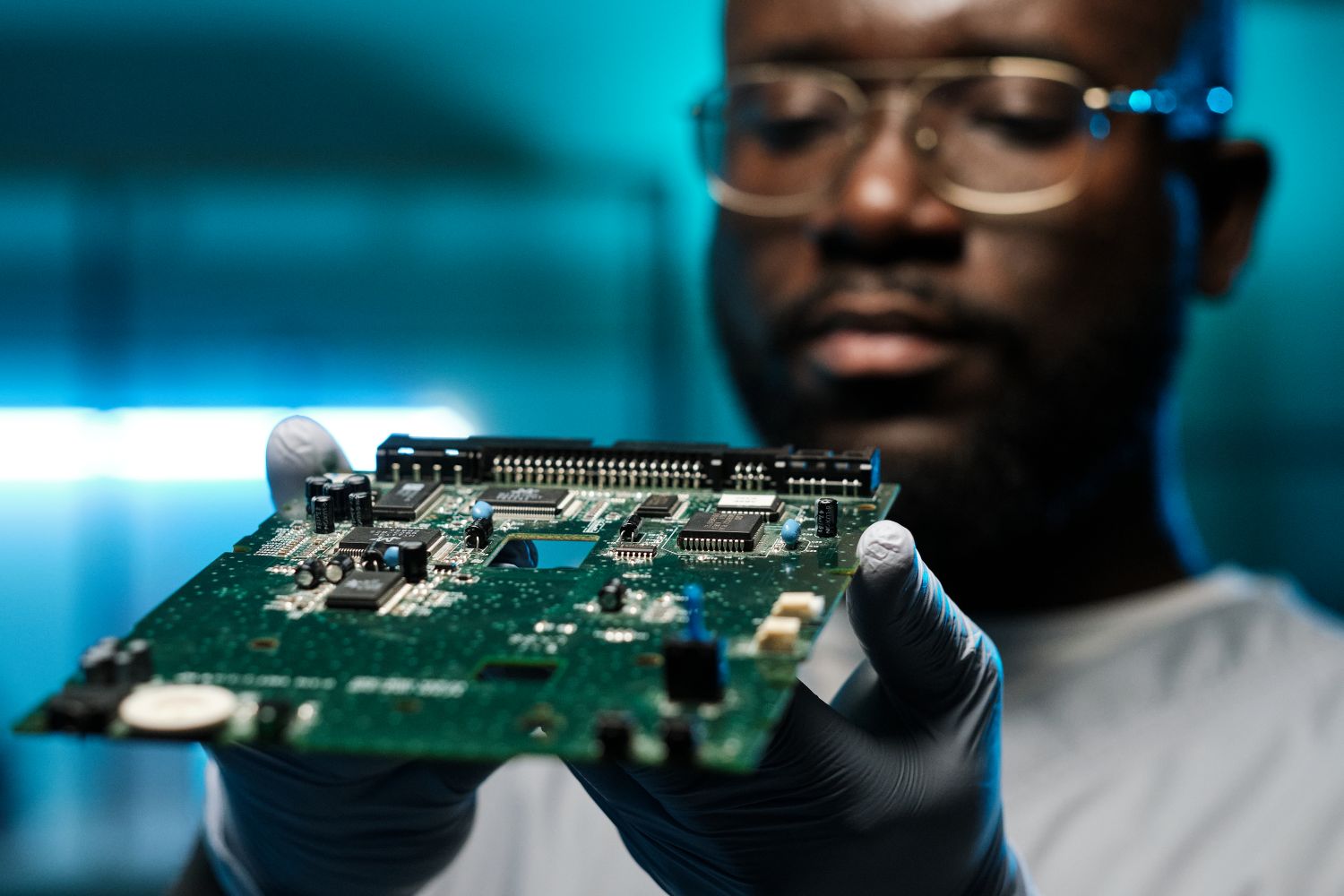
Connect product requirements, supplier responsibilities, release controls, customer applications, and ongoing support.

Protect schematics, board layouts, embedded software, customer projects, and controlled manufacturing handovers.

Review customer separation, programming access, test systems, production credentials, and supplier connections.
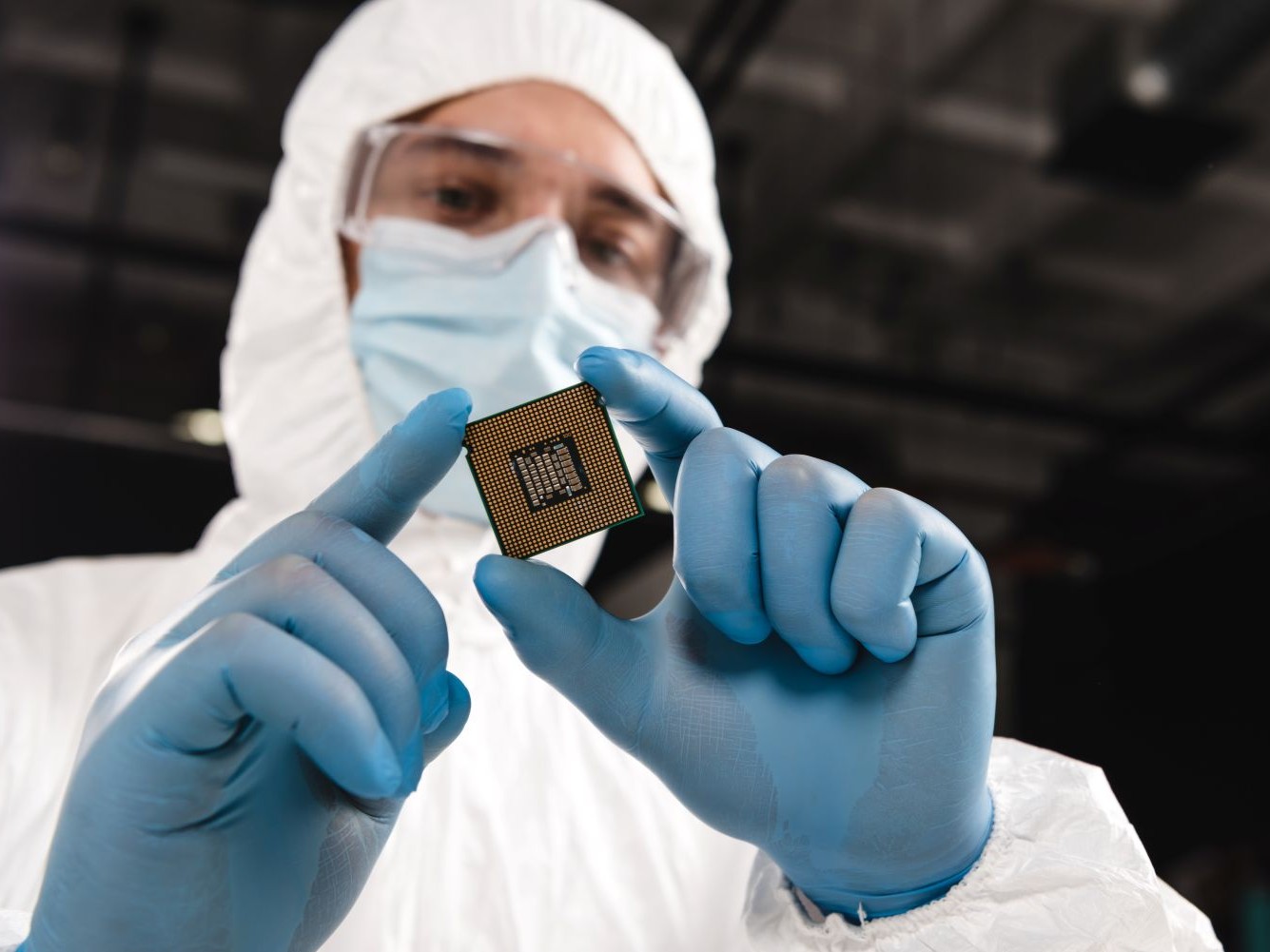
Assess software dependencies, integration documentation, device-cloud permissions, updates, and end-of-support arrangements.

Work alongside your engineering, manufacturing and product-support teams
We work with your product, factory, legal and release owners, within a scope agreed before work starts.
03Electronics security scope and product-risk assessment
Establish which risks belong to your business, factory, and product
A review needs a clear unit of analysis: a company environment, a production workflow, a product family, or a connected service.
We agree that boundary and identify the people responsible for acting on findings across organisational interfaces.
What we cover
- 01
Product context
Intended users, deployment settings, hardware variants, connectivity and support expectations, documented.
- 02
System boundaries
Engineering IT, manufacturing systems, device software, applications and external services, distinguished.
- 03
Responsibility mapping
Brand, ODM, EMS, component supplier, cloud operator and support obligations, identified.
- 04
Information flows
Selected technical files, production packages, device identities, telemetry and customer records, traced.
- 05
Requirement inputs
Applicable customer requirements, markets, product categories and confirmed contractual constraints.
- 06
Improvement priorities
Findings, dependencies, owners, acceptance evidence and realistic implementation stages.
04Engineering IP and supplier collaboration security
Protect the files and approvals behind each manufacturing release
Schematics, PCB layouts, design libraries, firmware source, and manufacturing instructions can move between several organisations. We examine selected repositories and handover routes so access follows the project and released packages remain distinguishable from working material.
05Embedded-device security assessment
Understand security capabilities before product release
We assess agreed device capabilities against the product's intended use and threat assumptions, combining architecture and configuration review with authorised checks on suitable samples. Product engineers help interpret hardware constraints and operational consequences.
- 01Device identityIdentification, enrolment, authentication and how identities remain distinct across units.
- 02Interface exposureDocumented network, local administration, maintenance and development interfaces.
- 03Configuration protectionWho can change security settings and how approved defaults are established.
- 04Data handlingSelected storage, transport, logs, diagnostics and sensitive information exposure.
- 05Capability evidenceUpdate, integrity, status-reporting and recovery mechanisms supported by the design.
- 06Test planningSamples, test keys, isolated rigs, permitted methods, stop conditions and engineering acceptance.
06 · Firmware build, signing, and update security
Make release authority and update evidence easier to verify
Firmware release paths connect source changes, build infrastructure, signing services, distribution, and device installation.
We review selected controls so each stage has accountable authority and the intended package reaches the intended product population.
What we cover
07Manufacturing provisioning and test-system security
Control the systems that program and prepare devices for shipment
Programming stations and test fixtures can influence many units while receiving less attention than the final device. We review agreed manufacturing-support routes with factory owners, including how approved images, identities, and credentials enter and leave the process.
08Device-cloud, mobile application, and API security
Keep device ownership and service permissions aligned
09Component vulnerability and product-support readiness
Turn supplier notices into decisions about affected products
A component advisory becomes actionable when your team can identify affected releases, deployed variants, support obligations, and responsible suppliers.
We help organise selected inventories and handling workflows so product security questions reach accountable owners with useful evidence.
What we cover
10Device returns, end-of-support, and recovery planning
Prepare for ownership changes and disrupted product services
Across the electronics lifecycle
Security priorities across the electronics lifecycle
Build evidence at the points where responsibility changes. Each stage links to the service on this page that addresses it.
References reviewed October 2026Priorities for assessment, not legal, regulatory or product-safety advice. NIST, ETSI, OWASP and EU references apply by product, market role, jurisdiction and agreement; ETSI EN 303 645 addresses consumer IoT, and EU Cyber Resilience Act and radio-equipment dates are EU-specific. Your engineering, legal and regulatory teams confirm the applicable requirements. Nestack does not certify products, test in accredited laboratories, or confirm conformity.
11Hire a dedicated electronics cybersecurity engineer
Hire a Dedicated Cybersecurity Engineer
Add focused capacity to your electronics security programme. Agree a technical profile around your product and systems: a dedicated engineer can coordinate selected reviews and implementation tasks while product, factory, and regulatory owners retain their decisions.
01Engineering and release support
- Review agreed repository, supplier, and development access
- Coordinate firmware pipeline and signing-control improvements
- Maintain findings, release evidence, and retest records
02Product and service security
- Support authorised device and application assessments
- Track component findings and affected-release questions
- Coordinate ownership, support, and recovery workflows
03Delivery and accountability
- Agree responsibilities, access, hours, and reporting cadence
- Define hardware, factory, legal, and safety escalation needs
- Confirm personnel suitability, availability, and acceptance criteria
Physical laboratory work, specialist hardware techniques, onsite coverage, and continuous monitoring require separate agreement.

12Frequently asked questions
Frequently asked questions
Showing 19 of 19 questions
The proposed scope includes brands, OEMs, ODMs, design houses, EMS providers, component suppliers, and connected-product teams. The agreed work depends on your role, systems, product architecture, and available expertise.
Yes. A firmware pipeline, engineering workspace, provisioning process, device-cloud application, or returns workflow can provide a defined starting point with clear deliverables.
Discuss the required profile, responsibilities, hours, reporting, and specialist support. Availability and relevant experience must be confirmed before an engagement is committed.
Approved code, configurations, documentation, and test environments may be suitable. Confirm contracts, access locations, technical-data restrictions, and supplier permissions. Physical hardware or production work needs separately agreed arrangements.
Either may be scoped, but they require different boundaries and evidence. An enterprise review does not establish device security, and a device assessment does not cover the company's whole environment.
Not by default. Use authorised samples, isolated rigs, test accounts, and test keys. Any live work needs explicit owner approval, suitable methods, stop conditions, and recovery arrangements.
No. Cybersecurity findings may inform engineering decisions, but those disciplines require their own applicable standards, qualified assessors, evidence, and approvals.
No. Signing helps establish integrity and signer identity. It does not establish that code is safe, free of vulnerabilities, suitable for the hardware, or correctly authorised for every deployment.
Yes, within an approved scope. Review access, provisioning, secret retention, package selection, and rework. Production changes require factory and product engineering approval; no secret extraction is assumed.
Applicable guidance can organise requirements and evidence. NIST IR 8259 Revision 1 was finalised in April 2026. ETSI EN 303 645 V3.1.3 addresses consumer IoT; it is not a universal electronics certification.
No. As of October 2026, manufacturer reporting obligations apply from 11 September 2026; the main requirements apply from 11 December 2027. Product scope, exemptions, market role, and transition provisions require review with your advisers.
No. The relevant reporting triggers include actively exploited vulnerabilities and severe incidents affecting product security. Establish the applicable criteria, deadlines, evidence, and authorised reporting owner. Do not assume only newly launched products are relevant.
The repeal takes effect on 11 December 2027, not immediately. Product-specific requirements and market-surveillance consequences need review, including equipment placed on the market during the applicable transition period.
No. A software bill of materials describes software components. It supports investigation but does not establish hardware authenticity, component quality, exploitability, or the absence of vulnerabilities.
Do not assume so. Review device storage, diagnostic copies, cloud associations, credentials, and verified sanitisation methods. A locally reset device may still need backend unlinking and revocation.
An agreed engagement can organise evidence, identify gaps, and help owners prepare accurate responses. Statements must reflect verified scope; readiness work does not grant certification or transfer manufacturer responsibility.
No such coverage is assumed. Define operational hours, responders, escalation, specialist support, and contractual responsibilities before relying on an ongoing service.
Product variants, hardware access, environments, suppliers, evidence quality, test depth, and approval dependencies shape the proposal. Agree deliverables and acceptance criteria after discovery.
Describe your business, product category, broad systems, and concern. Do not submit schematics, unreleased designs, keys, credentials, vulnerability evidence, or customer data through the public form.
Contact and scoping call
Discuss your electronics
security priorities.
Tell us where your team needs support: engineering information, product assessment, firmware releases, manufacturing access, connected applications, vulnerability handling, recovery, or a dedicated engineer.
Loading open times…
Open times
Select an available date above to view open 45-minute times from our calendar.