
Environment & sustainability cybersecurity
Environment & Sustainability Cybersecurity
Expertise for Your Team
Protect the systems and evidence behind environmental decisions. Strengthen access, traceability, and recovery across environmental projects and sustainability platforms, keeping source records, approved changes, and reporting permissions connected as information moves between teams and partners.
Environmental and sustainability work combines field observations, laboratory results, supplier submissions, geospatial layers, calculation models, and reporting systems.
A secure dashboard is only one part of the picture: the source evidence, methodology version, project permissions, and approval history also matter.
Nestack helps your technical and business teams assess selected exposures, implement approved controls, and verify improvements. Scope the engagement around a project, platform, reporting workflow, or operational connection, with clear responsibilities for scientific and reporting decisions.
Three ways to work with Nestack
- 01
Focused assessment
Review an evidence repository, monitoring interface, client platform, geospatial workspace, or submission workflow.
- 02
Dedicated security engineer
Add agreed technical capacity with defined duties, hours, and specialist escalation.
- 03
Ongoing improvement
Coordinate access reviews, remediation, partner actions, evidence handling, and recovery exercises.
Security controls support trustworthy handling; qualified owners determine the meaning and adequacy of the evidence.
02Who we help
Support aligned with your environmental information workflows
For environmental consultancies, monitoring businesses, sustainability software providers, conservation organisations, and waste and resource-management services worldwide.

Protect client projects, field records, sample information, analytical exports, and controlled report delivery.

Assess customer separation, supplier submissions, calculation inputs, evidence repositories, and publication authority.

Review sensor interfaces, field devices, geospatial information, sensitive locations, and partner access.
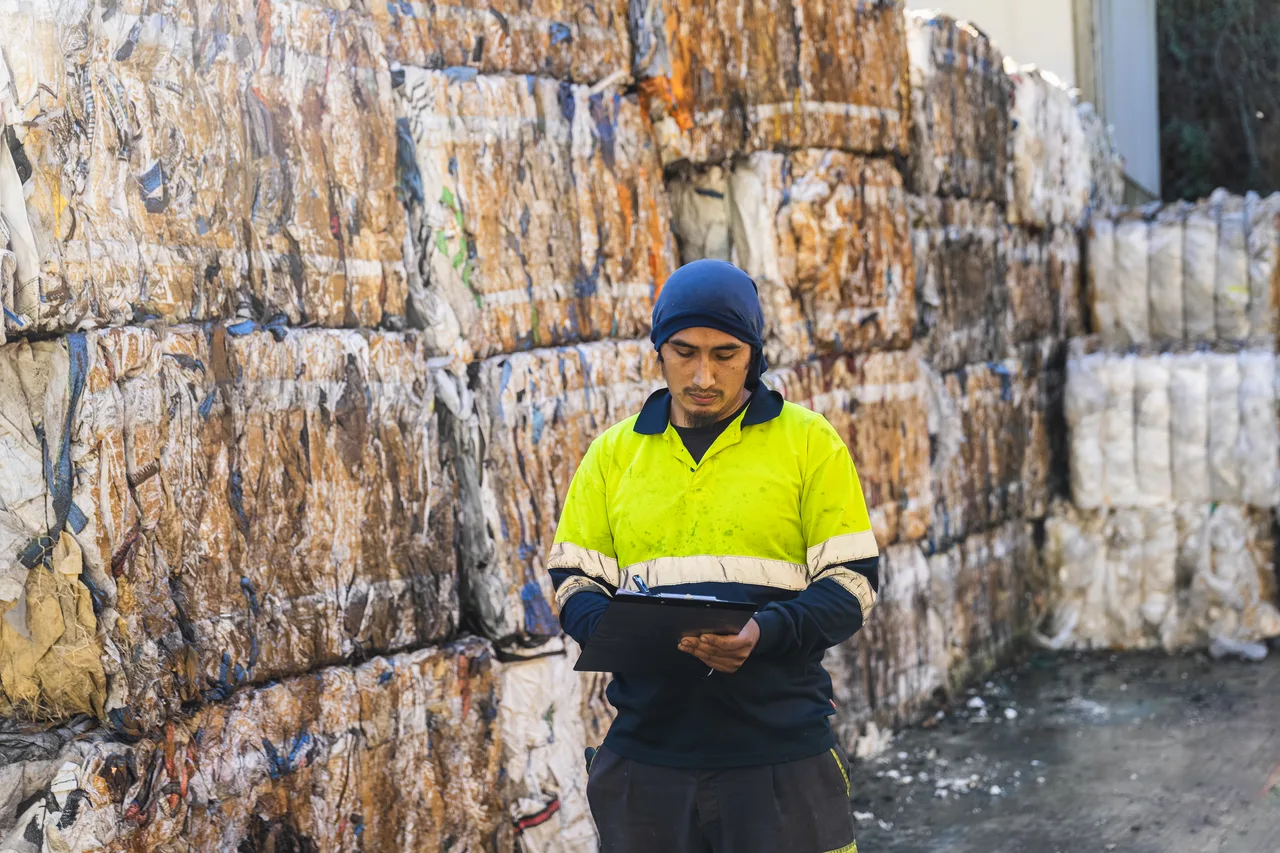
Strengthen digital custody records, contractor portals, reporting identities, operational connections, and recovery planning.

Work alongside your scientific, reporting and operational owners
We coordinate authorised improvements while your scientific, accounting, reporting and operational owners retain their responsibilities.
03Environmental cybersecurity risk and information mapping
Identify where evidence and responsibility change hands
An environmental project may span several organisations and systems before a result is published.
We map the agreed workflow and identify which information, permissions, and dependencies matter to the confidentiality and integrity of your work.
What we cover
- 01
Project scope
Consultancy, monitoring, laboratory, sustainability software, conservation and resource-management activities.
- 02
Information inventory
Selected observations, laboratory records, models, supplier evidence, geospatial layers and reports.
- 03
Responsibility mapping
Collectors, analysts, reviewers, platform administrators, clients and external recipients.
- 04
Dependency review
Hosting, identity, connectivity, specialist software, data providers and partner interfaces.
- 05
Requirement inputs
Owner-confirmed contracts, consent, data-use limits, retention rules and jurisdictional obligations.
- 06
Improvement planning
Findings with priorities, owners, prerequisites and the evidence needed to verify corrections.
04Sustainability evidence and calculation-workflow security
Preserve the connection between inputs, methods, and approved outputs
Carbon inventories and sustainability reports may depend on spreadsheets, supplier files, conversion factors, and calculation services.
We examine the digital controls around those inputs and changes so authorised reviewers can understand which evidence supported an output.
What we cover
05Environmental and sustainability platform security
Keep client records and privileged workflows appropriately separated
Platforms may serve clients, sites, projects, suppliers, reviewers, and external assurance teams with different access needs. We review selected applications and APIs using test identities and synthetic records, focusing on the boundaries behind uploads, approvals, and exports.
06Monitoring interfaces and field-data security
Protect how observations reach the systems that use them
07Geospatial and sensitive ecological information protection
Match information access to conservation and project needs
Environmental maps can reveal sensitive species, landholder information, infrastructure, or restricted project locations. We review selected geospatial repositories and publication paths so authorised sharing does not unintentionally expose more detail than the responsible owner intends.
08Laboratory, supplier, and waste-record exchange security
Preserve permissions and record context across external handovers
Samples, analytical results, waste movements, and supplier evidence may pass through several systems and organisations. We assess selected digital handovers so recipients, versions, project associations, and correction history remain accountable.
- 01Partner accessLaboratory, contractor, supplier, customer and subcontractor permissions for selected projects.
- 02Record associationIdentifiers connecting samples, jobs, loads, sites, results, attachments and reports.
- 03Transfer integrityApproved channels, recipient checks, acknowledgements, failed transfers and duplicate handling.
- 04Role separationPreparation, review, signature, submission, administration and integration authority.
- 05API credentialsScope, custody, rotation, personnel changes and platform-specific privileges.
- 06Closure evidenceCorrections, retained originals, required exports, access removal and partner exit arrangements.
09 · Reporting identities, registry access, and AI permissions
Control who can turn working information into external action
Publishing a sustainability report, submitting an environmental filing, or acting in a carbon registry can carry authority beyond ordinary document access.
We review selected identities and automation paths so consequential actions remain with approved people and workflows.
What we cover
10Environmental information recovery and incident readiness
Recover usable project evidence and accountable workflows
Across environmental and sustainability workflows
Security priorities across environmental and sustainability workflows
Protect evidence as its purpose and audience change. Each stage links to the service on this page that addresses it.
References reviewed October 2026Priorities for assessment, not legal, accounting or assurance advice. Reporting rules, standards under development and registry procedures depend on your organisation, jurisdiction and accounts, and are confirmed with your advisers.
11Hire a dedicated environment and sustainability cybersecurity engineer
Hire a Dedicated Cybersecurity Engineer
Add technical support for environmental information security. Agree a profile around your platforms, evidence workflows, and project constraints; the engineer coordinates authorised improvements while scientific, accounting, reporting, and operational owners retain their responsibilities.
01Platforms and access
- Review selected client, project, partner and administrator permissions
- Support authorised application and interface remediation
- Maintain findings, verification evidence and technical dependencies
02Evidence and workflow controls
- Coordinate repository, publication and identity reviews
- Track supplier actions and approved configuration changes
- Support recovery exercises and platform-exit preparation
03Delivery and accountability
- Define duties, hours, access locations and reporting cadence
- Confirm relevant skills and specialist escalation arrangements
- Agree acceptance evidence, confidentiality and handover responsibilities
Environmental assurance, field science, laboratory accreditation, and continuous response coverage are separately scoped disciplines.

12Frequently asked questions
Frequently asked questions
Showing 19 of 19 questions
The proposed scope includes consultancies, laboratories, monitoring providers, sustainability platforms, conservation organisations, and waste or resource-management businesses. Services depend on your systems, information, and verified delivery expertise.
Yes. An evidence repository, client application, monitoring interface, geospatial publication route, or privileged reporting account can provide a defined starting point.
Discuss the profile, responsibilities, hours, access, and reporting needs. Relevant experience, availability, and any specialist support must be confirmed before commitment.
Approved code, configurations, documentation, and test environments may be reviewed remotely. Confirm client contracts, data-use restrictions, access locations, sensitive ecological information, and personnel permissions. Field and equipment work needs separate arrangements.
No. Security controls protect access, attribution, evidence, and approved changes. Accounting accuracy, methodology selection, reporting compliance, and independent assurance require their own qualified owners and evidence.
An agreed review can assess change permissions, version relationships, approval, and retrieval. It does not determine which factor, boundary, assumption, or calculation is scientifically or contractually appropriate.
No. The July 2026 update describes development of a consolidated GHG Protocol-ISO corporate standard. Confirm current applicable standards and transition arrangements; development plans are not adopted replacement requirements.
No. Technical support can organise evidence and access controls. EU reporting rules changed through the adopted 2026 simplification legislation; scope, timing, national implementation, and assurance requirements must be checked by responsible advisers.
Yes, within an authorised scope. Test project, organisation, site, supplier, reviewer, and administrator boundaries using synthetic records and agreed accounts.
Selected identities, interfaces, data transfers, and support routes can be assessed. Live equipment changes require owner approval, vendor compatibility, appropriate windows, and operational safeguards.
No. Protecting a transfer does not calibrate an instrument, validate a sample, establish satellite precision, or prove an observation's suitability. Those decisions remain with scientific and quality specialists.
Review repositories, map services, downloads, metadata, and sharing permissions. Data custodians and qualified specialists decide sensitivity and disclosure; generalisation should preserve authoritative originals and documented context.
Yes, within scope. Review project association, recipients, roles, signatures, APIs, and correction history. Cybersecurity does not establish physical custody, waste classification, laboratory accreditation, or lawful disposal.
No. Privileges depend on the platform and role. For example, EPA e-Manifest Site Managers have broad permissions, including user administration and API credential access. Confirm actual authority before granting an integration access.
No. Access protection does not establish additionality, permanence, ownership, avoidance of double counting, or claim suitability. Registry rules, project methodologies, verification, and responsible commercial decisions remain separate.
Review approved data access, evidence handling, connected tools, and publication authority. Use synthetic tests and qualified review. Security controls do not guarantee accurate calculations, supported claims, or acceptable disclosure.
No such coverage is assumed. Agree hours, responders, escalation, evidence handling, and specialist support before relying on an operational service.
Platforms, projects, sensitive information, third parties, evidence quality, test depth, and access restrictions shape the proposal. Agree deliverables and acceptance criteria after discovery.
Describe your organisation, broad workflow, concern, and engagement preference. Do not send precise sensitive locations, client datasets, unpublished evidence, credentials, registry details, or incident material through the public form.
Contact and scoping call
Discuss your environmental and
sustainability security priorities.
Tell us where your team needs support: project information, reporting evidence, platforms, monitoring interfaces, geospatial data, partner exchanges, privileged accounts, recovery, or a dedicated engineer.
Loading open times…
Open times
Select an available date above to view open 45-minute times from our calendar.